
The Thrill of Uncertainty
The allure of casino gaming often lies in the thrill that comes from uncertainty. Human behavior is deeply influenced by the unpredictability of outcomes, and this is precisely what gambling offers. The rush of not knowing whether one will win or lose can be exhilarating. This uncertainty activates the brain’s reward system, releasing dopamine, the neurotransmitter associated with pleasure. Additionally, many players find that they often seek out the best online casinos nz to enhance their gaming experience. As a result, many gamblers find themselves drawn back to the tables and machines, hoping to recreate that rewarding feeling.
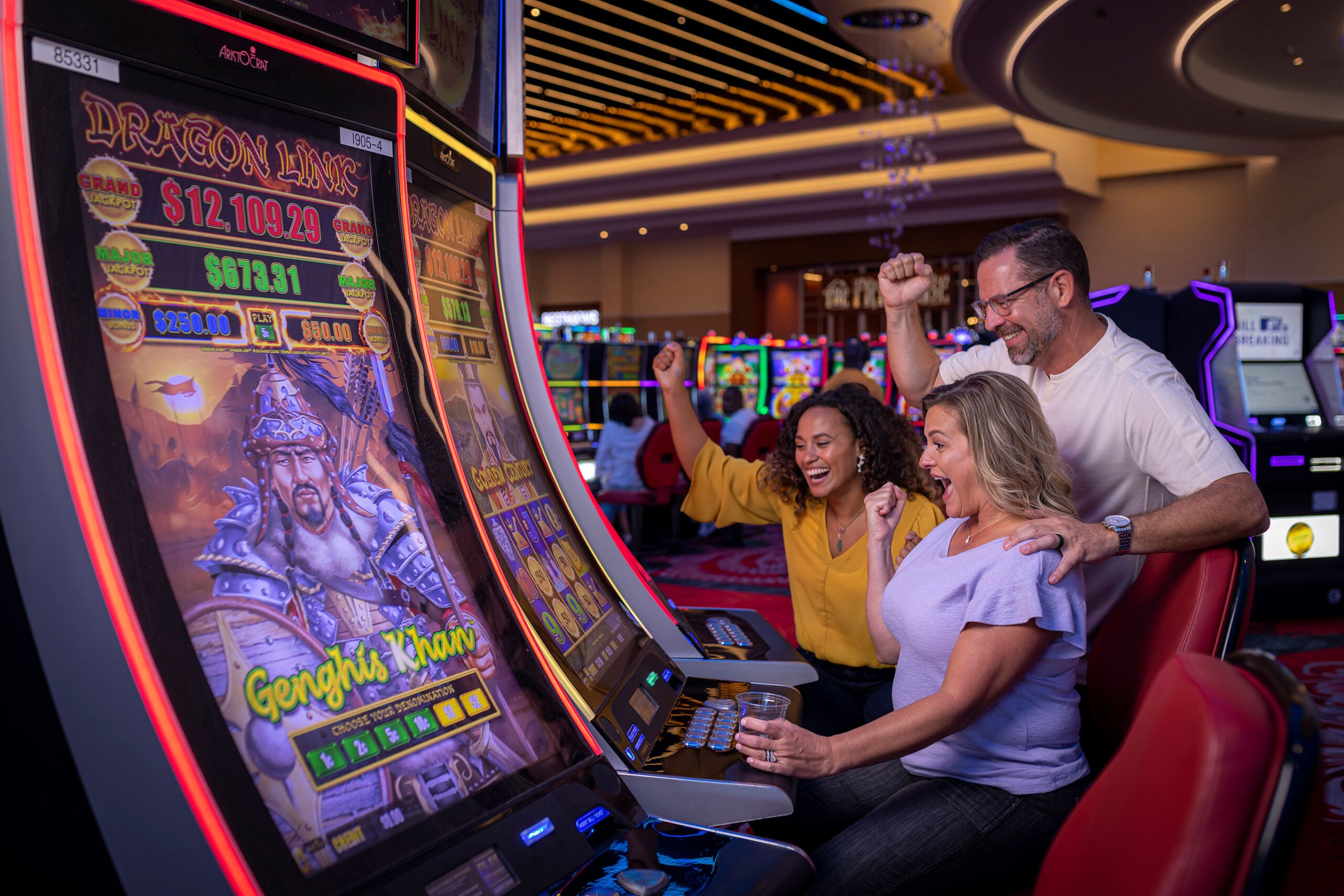
Moreover, the unpredictability of gambling can lead to a phenomenon known as the “near-miss effect,” where players experience a sense of excitement even when they nearly win. This can create a compelling psychological loop, encouraging individuals to keep playing with the hope of achieving a win. The cycle of suspense and reward can become addictive, making it difficult for players to walk away.
Social Interaction and Community
Casino gaming serves not only as a form of entertainment but also as a social activity. Many individuals are drawn to casinos to experience interaction with others, whether through friendly conversations at the poker table or shared excitement during a game. Socializing in this context can fulfill fundamental human needs for connection and belonging.
Furthermore, the communal aspect of gambling can amplify the thrill of the experience. Celebrating a win with fellow players, or commiserating after a loss, creates shared emotional experiences that enhance enjoyment. The social environment of casinos can thus be a significant motivator, drawing people back not just for the games, but for the camaraderie they offer.
The Escapism Factor
For many, gambling serves as an effective escape from the stresses and complexities of daily life. The captivating atmosphere of casinos—with their bright lights, exciting sounds, and the promise of rewards—can provide a temporary reprieve from reality. This sense of escape can be particularly appealing to those facing personal challenges or seeking to alleviate boredom.
Additionally, the act of gambling can immerse players in an entirely different world, allowing them to forget their worries, at least momentarily. This psychological escape can enhance the gambling experience, reinforcing the desire to return to it whenever stress or dissatisfaction creeps in.
The Role of Cognitive Biases
Cognitive biases play a significant role in gambling behavior, influencing how players perceive risk and probability. One common bias is the illusion of control, where individuals believe they can influence outcomes in games of chance. This belief can lead players to continue gambling, hoping that their actions will yield favorable results.
Another critical cognitive bias is the gambler’s fallacy, which is the mistaken belief that past events can influence future probabilities. Players might think that a particular slot machine is “due” for a win after a streak of losses. These mental shortcuts can skew judgment and lead to persistent gambling behavior, even in the face of unfavorable odds.
Understanding Restrictions and Resources
While exploring the motivations and psychology behind gambling, it’s also essential to recognize the need for responsible gaming practices. Knowing when and how to seek help is crucial for those who may find themselves struggling with gambling-related issues. Resources are available for individuals who wish to gain a better understanding of their gaming habits and the potential impact on their lives.
By encouraging informed decisions and understanding the psychological factors at play, individuals can navigate their gambling experiences more effectively. Websites that provide guidance on gaming restrictions and support services can be valuable resources for those looking to engage responsibly with casino gaming.
