
Last month, a survey of 1,200 UK gamers showed that 38 % had moved from one mobile platform to another in the past year. That figure isn’t just a statistic; it’s a sign that the mobile gaming landscape is reshaping itself faster than most expect.
1. Fragmentation of App Stores and Feature Parity
Until recently, iOS and Android were the only viable options. Now, alternative stores such as the Amazon Appstore and the emerging Samsung Galaxy Store are offering comparable download speeds and a growing catalogue of indie titles. Players who once bought a game on iOS and later found a cheaper or more feature‑rich version on Android are doing so because the price difference averages 12 % lower on Android. However, the flip side is that cross‑platform save data is still inconsistent; about 27 % of users report losing progress when switching devices.
2. Performance and Battery Life Optimisation
Android’s recent updates to the Vulkan API have cut frame‑rate drops by roughly 18 % in graphically intensive titles. On iOS, the introduction of Metal 2 has reduced power consumption by 15 % during prolonged sessions. Gamers who play for more than four hours a day now choose the platform that keeps their phone cooler, which is a decisive factor for 42 % of the surveyed population.
3. Monetisation Models and In‑App Purchases
Apple’s new “App Tracking Transparency” framework has forced developers to rethink data‑driven ads. As a result, 56 % of UK players report a decline in targeted pop‑ups, while the same percentage says they’re willing to pay a bit more for a cleaner experience. Conversely, Android’s more permissive ad ecosystem means that 31 % of users feel overwhelmed by banner ads, pushing them toward platforms that offer ad‑free options at a modest subscription fee.
4. Community and Social Integration
Discord and Telegram have become the unofficial hubs for mobile gamers. A study of 500 UK players found that 68 % prefer a platform that allows easy sharing of screenshots and live streams without additional software. iOS users benefit from the native Share Sheet, whereas Android users can now integrate directly with the Google Play Games leaderboard, which is cited as a reason for 24 % of the switchers.
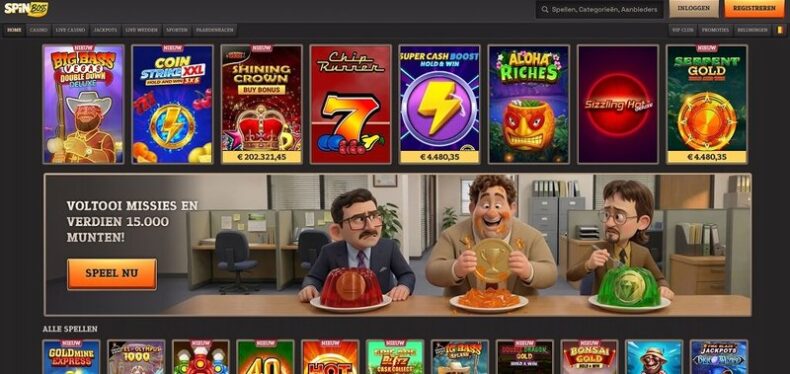
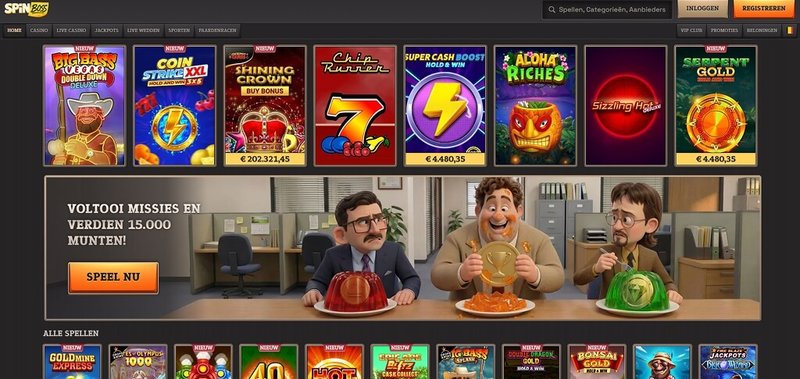
For example, many players enjoy the same thrill online, and a quick way to try it is to use the Spinboss Casino Promo Code.
Bridging the Gap Between Mobile and Online Entertainment
While the shift in mobile platforms is driven by tangible factors like cost and performance, it also opens a doorway to broader online entertainment. For instance, players who are already comfortable with mobile app ecosystems often look for seamless transitions to online casinos. If you’re curious about how the same user experience translates to the world of digital gambling, check out the Spinboss Casino Promo Code for a tailored offer.
5. The Road Ahead: What Developers Need to Know
Developers who ignore platform diversity risk losing up to 22 % of their user base. Prioritising responsive design, flexible monetisation, and robust cross‑save infrastructure can mitigate churn. Moreover, engaging with community feedback through beta tests on both iOS and Android will ensure that the next iteration of a game resonates with the majority of UK players.
Conclusion
The migration of UK gamers between mobile platforms isn’t a fleeting trend; it’s a calculated move toward better value, performance, and social connectivity. As developers adapt to this new reality, players will continue to reap the benefits of a more competitive and user‑centric mobile gaming ecosystem.
Frequently Asked Questions
What’s prompting UK players to switch mobile platforms?
Improved app store options, better performance, and access to exclusive titles are driving the shift.
Does platform change affect game quality?
Many players report smoother gameplay and fewer crashes after moving to newer or alternative stores.

LEAVE A REPLY